Read More
These are the 8 top questions we get asked about ear wax and how to remove it. If you ever experience the unpleasant sensation...
These are the 8 top questions we get asked about ear wax and how to remove it. If you ever experience the unpleasant sensation...

The main difference is that NHS hearing aids are free however, there is the worry that you become...

The ear canal is one of the most important areas of the body to remain clear of wax and debris. The ear canal has its own self...

Earwax is a natural substance that occurs in the ear canal and protects against dirt, dust, and water. However, impacted ear...

Hearing tests are an important part of your health and wellbeing checks. The hearing test can measure your hearing levels, and...

Hearing aids are devices that amplify sound. Depending on the size they either fit in the ear or behind the ear. A hearing aid...

Cleaning ear wax out can be a messy and unpleasant task. If you have excessive ear wax or trapped water in your ears, it must...

There is a strong link seen between auditory problems and Covid-19. Evidence supports COVID-19...

There is no clinical data to suggest that it is effective for any ear wax condition. Ear candling, also known as...

Over 430 million people throughout the World experience disabling hearing loss. This number could grow to nearly 700 million...

This Tinnitus Week (1-7 February), we are campaigning to make sure that everyone with tinnitus gets the right information....

Received a lovely email from a patient that has recently been to see us. A great start to the day.
We wanted to thank you very much for seeing us to remove ear wax at short notice yesterday. The wax removal service you...

COVID-19 does not damage auditory system, study finds. The results go against some reports in...

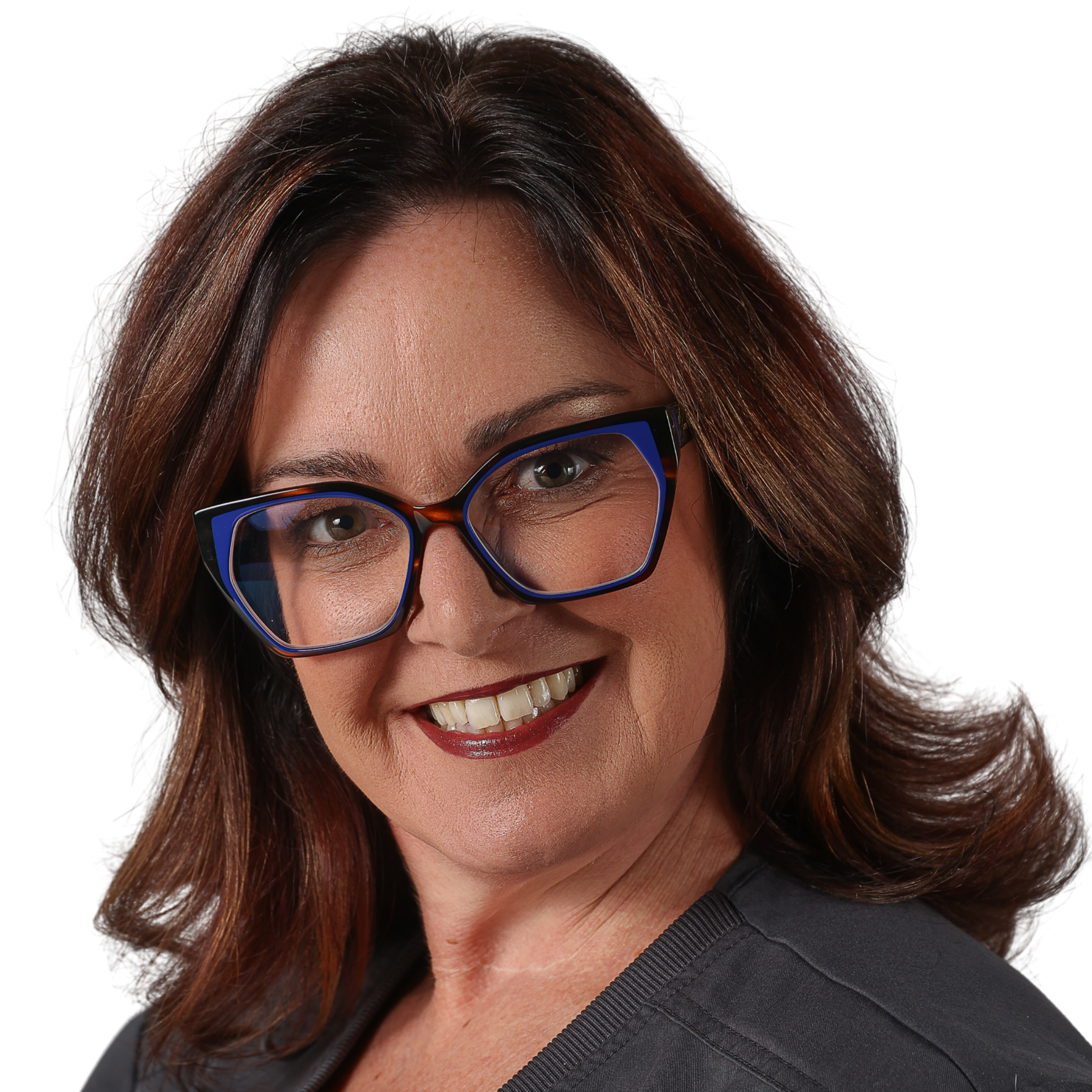
Clare followed in her father’s footsteps and qualified as an Audiologist in 1997. She is a registered Health and Care Professional (HCPC), a Fellow of the British Society of Hearing Aid Audiologists (BSHAA), and a member of the National Community Hearing Association (NCHA).
Having gained many years’ experience working in the NHS and after that, in the private sector, Clare has a wealth of knowledge. In addition, she is fully trained in all the earwax removal methods, (micro suction, irrigation, and instrumentation). She is also an expert in hearing technology and a Tinnitus Advisor. Additionally, Clare lectures on behalf of Mary Hare School for the Deaf and UK Audiology Ltd.
Clare won ‘Business Person of the Year’ at the North Cheshire Business Awards in 2023.
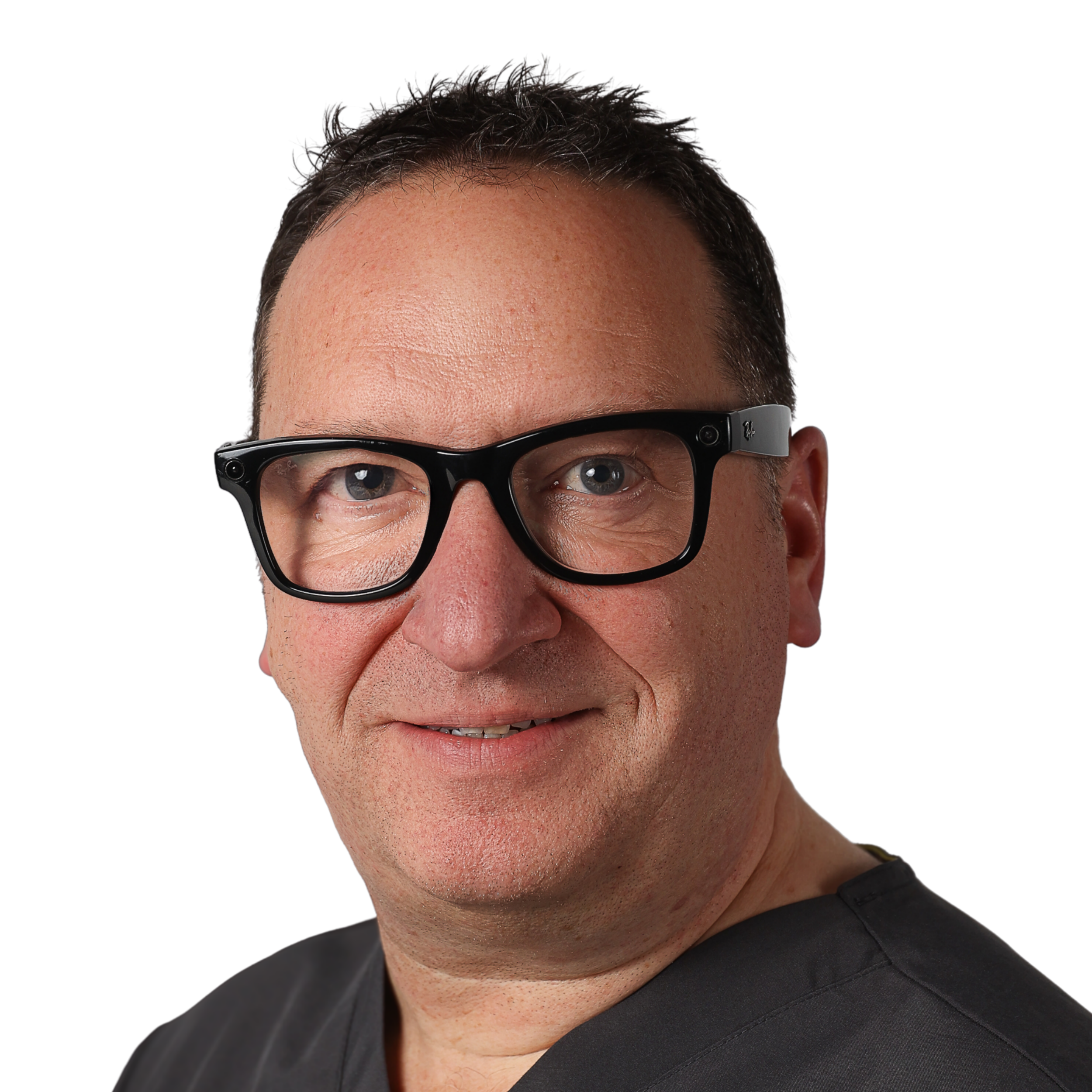
Brad came to audiology quite late in life having spent twenty-five years working in performing arts. He was head of year at a performing arts college, spent eleven years owning several Stagecoach Theatre Arts Schools & created the UK’s first 80’s music festival.
He spent five years as festival director of WinterFest in Macclesfield and two years as festival director of the Media City International Film Festival. In all those roles he programmed & contracted the line-up, oversaw the marketing & the look and feel of each event.
Eight years ago Brad retrained as an HCA and clinical ear care specialist and worked alongside his wife, Clare running Veterans Hearing Support.
This is their second venture together.
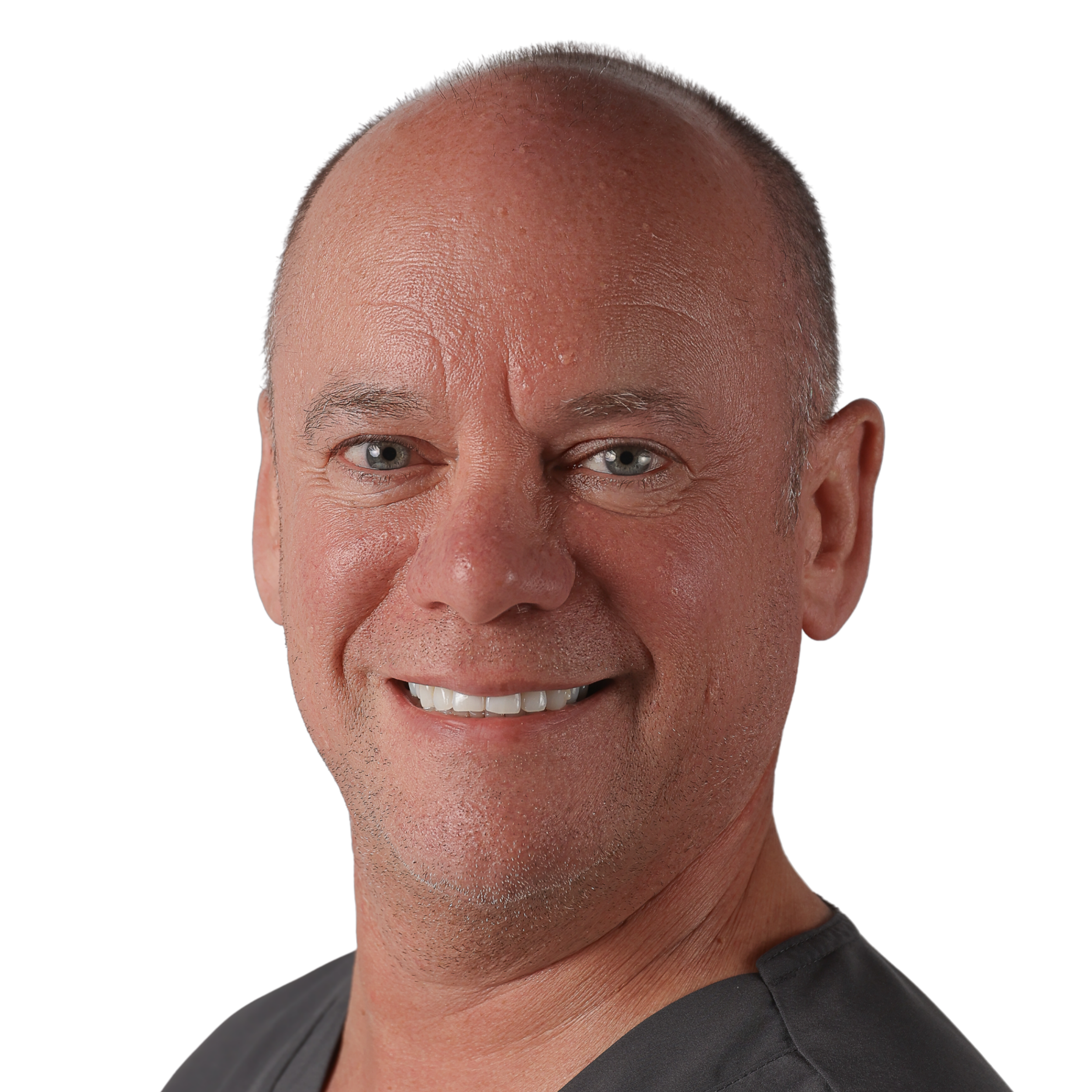
Rory Kewney is a qualified, registered audiologist with over twenty-five years of experience in all aspects of hearing care. Rory is passionate about using his skills, knowledge, and expertise to help local patients comfortably and quickly recover from pain, discomfort and balance problems caused by ear wax blockages.
Prior to joining The Hearing Centres, Rory owned Silk Hearing and Positive Hearing based in both of which have become part of the Hearing Centres group of clinics. Rory was also an audiology lecturer at Anglia Ruskin University and the Clinical Director of a national healthcare company.
His outside interests included being a rally car driver and owning exotic cars!
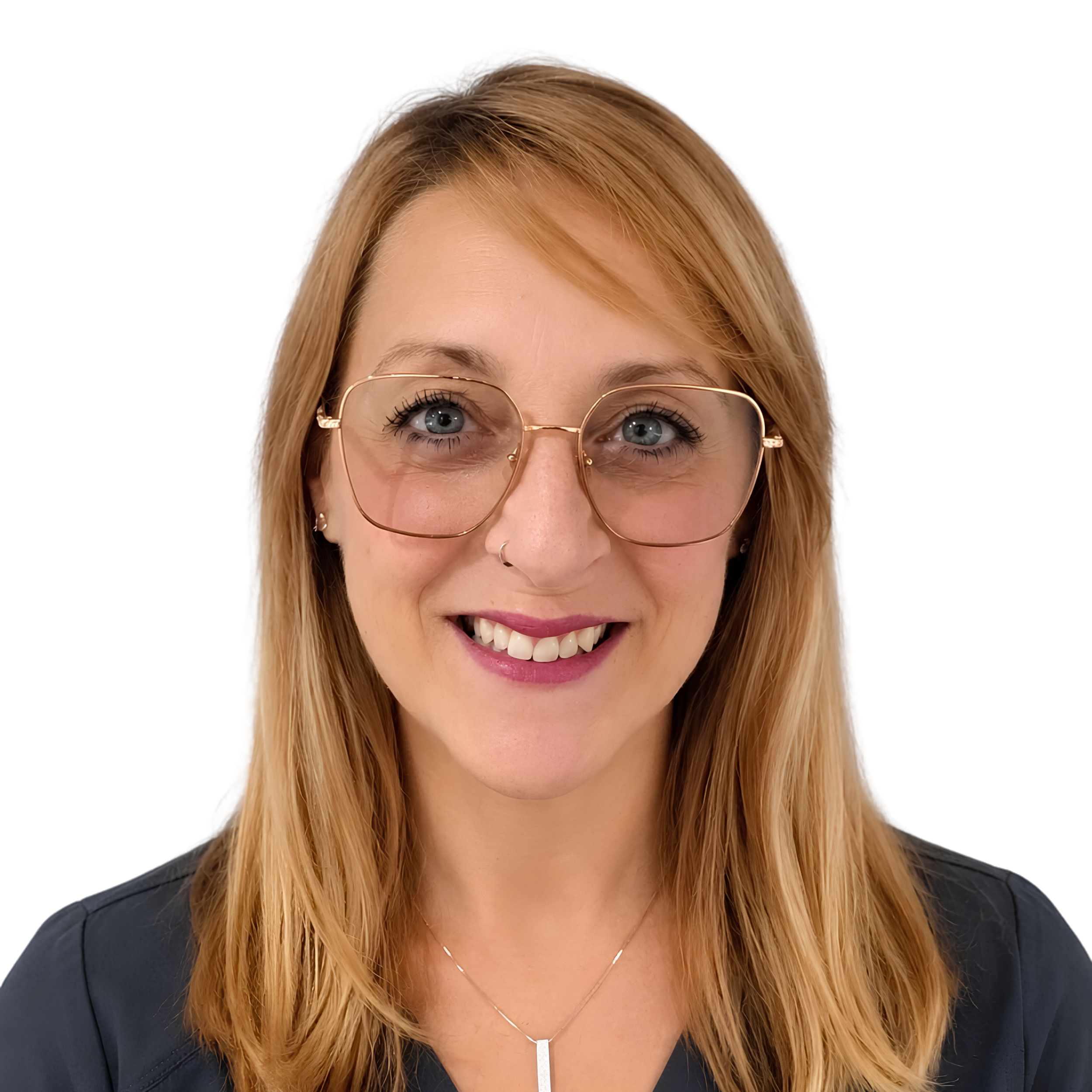
Qualifications & Professional Registration
• Hearing Care Assistant (HCA)
• Trained wax removal specialist
Clinical Expertise
• Earwax removal support within HCA scope
• Patient support throughout assessment and treatment journey
• Oversight of clinic standards and patient experience across sites
How She Cares
Lisa combines operational leadership with hands-on patient care. She is known for making patients feel immediately at ease, especially those who may feel embarrassed or frustrated about their hearing.
What Drives Her?
Lisa is motivated by visible outcomes. Seeing someone walk in uncomfortable and leave relieved or smiling is what keeps her passionate about hearing care.
Outside the Clinic
Married with two teenage children and a much-loved dog called Buddy.
Questions we asked Lisa:
You began your journey in hospitality and retirement living. How has that background shaped the way you support patients today?
“Working in hospitality taught me that everyone is individual & there is no one-size-fits-all when dealing with people. We want the overall outcome to be the same, and for each patient to be happy, but if you used a script and didn’t apply some personal care to each person it wouldn’t work. Some people like a laugh and a joke and some don’t. With many patients we get to know all about their families whilst other patients prefer not to be so open. Its all about making sure each patient gets the top level of care that they require and always striving to do more than they expect.”
As Group Practice Manager, what standards or values do you believe are essential in delivering truly outstanding hearing care?
Customer service and aftercare are the most important things to me. People can buy hearing aids from anywhere but we are second to none when it comes to our customer service and aftercare packages and I believe this is what makes us stand out from other hearing care providers.
In your experience, what is the emotional impact of untreated hearing issues — and how does compassionate service change that?
Untreated hearing issues cause lots of frustration. People with a hearing loss are frustrated because they are missing what is going on around them and the people living with them are frustrated at having to repeat and themselves over and over again. Showing compassion for all parties when it comes to hearing loss is important so that everyone feels listened to and understood. Everyone will then feel the benefit of one person wearing aids.
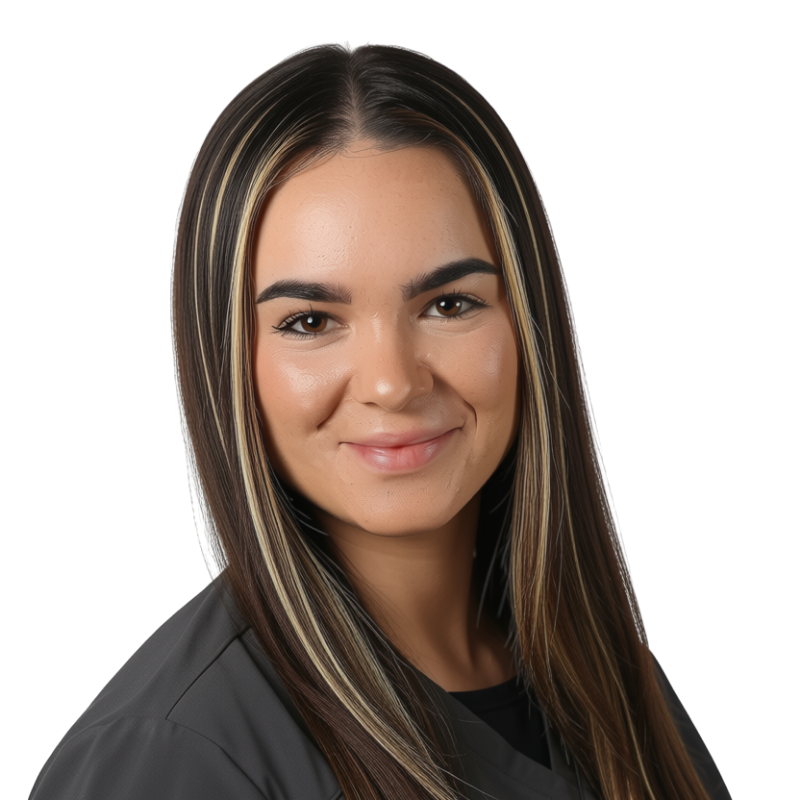
Qualifications & Professional Registration
• Qualified Audiologist & Hearing Aid Dispenser
• Audiology graduate, De Montfort University
Clinical Expertise
• Comprehensive hearing assessments including speech audiometry
• Hearing aid selection and aftercare within HAD scope
• Wax removal via microsuction, irrigation, and instrumentation
How She Cares
Olivia focuses on clarity. She takes time to explain test results and ensures patients understand both their hearing profile and their options.
What Drives Her
Olivia has always wanted a career centred on helping people. Supporting patients to regain confidence in conversations is what she finds most rewarding.
Outside the Clinic
Works full time across the family-led clinics and enjoys being part of a multi-generational hearing care team.
Questions we asked Olivia:
When you carry out a hearing assessment, what subtle signs tell you that someone may be struggling more than they admit?
I always look to see if they are lip reading me. Often I will say something while looking at the computer and when they ask me to repeat it I will make a point of saying “Sorry I will look at you so you can lip read me too“.
I also find answering questions takes a little longer as they process and work out what I said rather than just hearing me. They may lean in or position themselves closer to me often moving the seat closer.
If there is a support, sometimes they will look to them for reassurance they have understood my questions.
Quite often, people with more severe hearing issues, whether they admit it or not, will just keep talking because they cannot hear me almost like a coping strategy. They will nod along to what I am explaining but look a little more blank than you would expect. Also, squinting ever so slightly is a small sign of listening effort.
How do you personalise hearing aid recommendations so they reflect someone’s real lifestyle rather than just their audiogram?
Always before any testing, we talk about hearing difficulties and what their lives look like. Discussing social clubs/settings how often they meet with friends or family, if family are close by, how much support they have. what their lives used to look like. are any of those changes in lifestyle due to hearing difficulties.
I often look at what the person in front of me does now and what they would like to be doing hearing permitting in the future and accommodate to the latter. The more social and the more difficulties, especially with speech, the higher tech I need to dispense in order to help them to the best of my, and the hearing aids ability.
At this point the possibility of ALD’s (Assisted Listening Devices) will be considered here too. Most of my HACA is discussion around goals, aims, wishes and needs. what is realistic and what will not happen.
What advancements in audiology training or technology have most influenced your clinical practice so far?
So far my current Bsc top up course at Anglia Ruskin & I am not learning fundamentals anymore, I am broadening my knowledge and linking audiology concepts to enable me to assist with a much larger scope for patients.
I am now able to look more holistically not just with hearing but into other health conditions and how they will effect patients’ willingness, ability with hearing aids, lifestyle, patience, stress levels and importance of hearing to them; taking into account everything else they may have going on.
I am also now much more knowledgeable than I was around tinnitus and the vast topic it is; balance and dizziness disorders, processing and attention levels. There is still such a large world out there and I have much more to learn but I am loving it so far and love the more complex cases where I can really test and use my new knowledge.
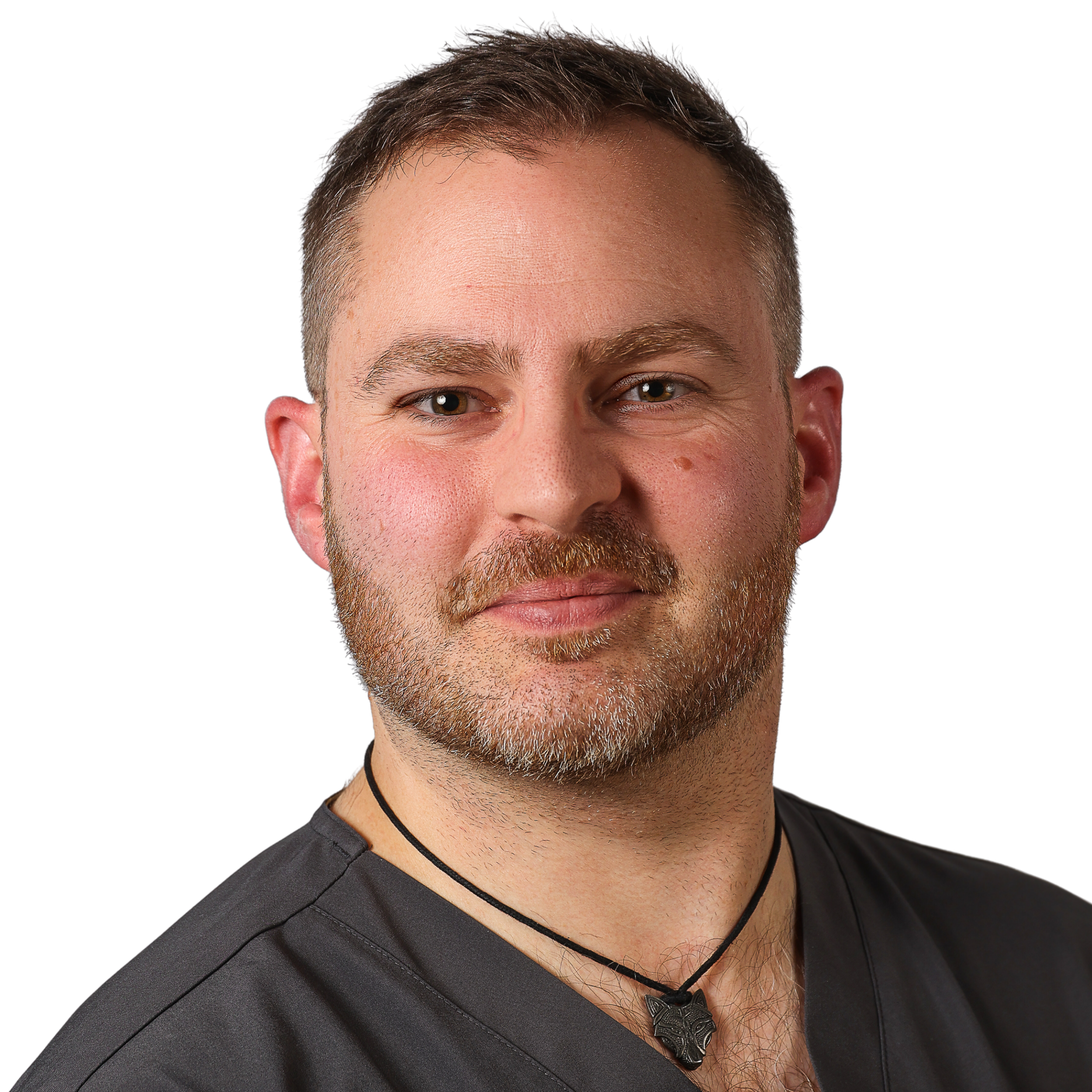
Qualifications & Professional Registration
• BSc (Hons) Audiology, University of Manchester
• Qualified Audiologist (2020)
• Registered with the Health and Care Professions Council (HCPC)
Clinical Expertise
• Diagnostic hearing assessments
• Hearing aid prescribing and long-term care
• Wax removal via microsuction and irrigation
How He Cares
Harry’s style is structured and evidence-led. He prioritises careful testing, accuracy, and transparent discussion of options.
What Drives Him
Harry retrained in audiology in his thirties after recognising his desire to work in a profession that genuinely improves quality of life.
Outside the Clinic
Enjoys spending time with his three children and wife, and occasionally unwinding with gaming.
Questions we asked Harry:
What prompted you to change career and retrain as an audiologist — and how has that shaped your perspective on patient care?
A lot of my early working life was spent in sales roles. I enjoyed the interactions I had with people, from varying walks of life, and the feeling of accomplishment on finding a solution to their particular challenge or obstacle. However, it wasn’t long before I realised it wasn’t the sale that satisfied me, but more just simply helping people and improving their quality of life, be it at home or at work.
After a period of introspection, I concluded that to be happy in my working life I had three main boxes that needed ticking:
Human interaction
Helping people
A subject area that holds my long-term interest
After scouring through the various job-related websites, I eventually landed on the NHS A-Z jobs page. I got as far as Audiology and thought I’d have a read of what it entailed. Suffice it to say it certainly held my interest!
Training as an audiologist really opened my eyes (and ears!) to what patient care should really look like. The sense of hearing, along with all our other senses, is incredibly subjective. A pleasant sound for one person may be intrusive for another. Catering for a person’s individual preferences, nuances and limitations can be just as important as successfully reaching their prescription target. Actively listening to the patient and including them at every stage of the process, with clear communication throughout, will inevitably result in more satisfaction and a better overall experience.
How do you balance clinical precision with reassurance for patients who may feel anxious about their results?
Information and results need to be delivered and communicated in a way that is clear, empathetic and empowering. It is also important to be transparent and honest throughout the patient journey. Sometimes just simply asking someone how they feel can be enough to put them at ease and initiate a conversation.
What does “quality hearing care” truly mean from a regulatory and ethical standpoint?
Quality hearing care, from a regulatory and ethical standpoint, should be clinically competent, legally compliant, patient-centred, and ethically grounded. For example:
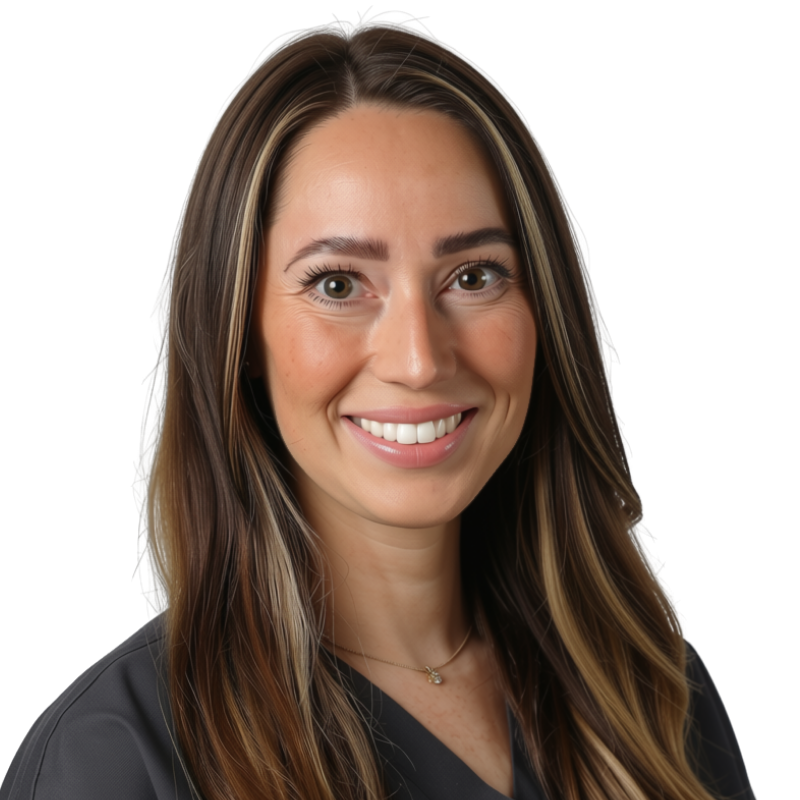
Qualifications & Professional Registration
• Qualified Audiologist / Hearing Aid Dispenser
• BSL Level 6 (British Sign Language Translator)
• Audiology training pathway
Clinical Expertise
• Clinical ear care and wax removal
• Community-based hearing support
• Communication accessibility support informed by BSL qualification
How She Cares
Lauren is particularly attuned to communication barriers. Her background means she approaches every appointment with sensitivity to how hearing loss affects identity and confidence.
What Drives Her
Supporting individuals across different stages of hearing loss has shaped her belief that communication is central to dignity and independence.
Outside the Clinic
Passionate about the performing arts.
Questions We Asked Lauren:
How has your background in supporting children and adults with hearing loss influenced your clinical approach?
I believe my background in supporting children and adults with hearing loss has allowed me to gain valuable insight into the lives of individuals living with hearing loss and how they are impacted on a day to day basis in several aspects of life such as education, employment and at home.
This provided me with so much more awareness into the personal / social and emotional impact of hearing loss in addition to my knowledge of the clinical impact which I gained in my FdSc. It has also helped me to develop a skill in adapting how I converse with patients of all age ranges including children and adults with additional needs as this was an area I specialised in for a number of years.
In what ways does your BSL qualification shape how you communicate with patients?
My BSL qualification has given me the tools to adapt my form of communication with a person living with hearing loss, i.e how to enunciate my words, ensuring I have the attention of the person before beginning a conversation and facing them directly when speaking to them etc.
It has also given me the ability to communicate with any patient with any level of hearing loss including profound loss without the requirement of a third party to interpret, meaning any patient who communicates using BSL has full confidentiality during their appointment just like any other patient.
What do you think clinicians often underestimate about the emotional impact of hearing loss?
Often clinicians with medical/scientific training can focus mainly on the assessment and results (on paper) and don’t always have experience or knowledge of the affects of hearing loss to both the patient and their loved ones to understand the full impact. Understanding how a person is feeling is just as important as understanding the cause of the loss and how to treat it.
Every person is different and two people with the same PTA results could be impacted entirely differently, this is where getting to know the patient on a deeper level comes into play and spending a valuable amount of time getting to know them and understanding their difficulties and emotions behind their struggles can really help to shape the outcome and how successful the fitting of hearing aids will be.
I have been very lucky to gain the experience that I have from my time working within the Deaf community and seeing first hand how individuals may struggle at work or inside their own homes has allowed me to have deeper more emotional understanding of the challenges linked to hearing loss, opening up opportunities for honest conversations with my patients as a RHAD.

Qualifications & Professional Registration
• Qualified Audiologist & Hearing Aid Dispenser
• Former technical specialist at Starkey
Clinical Expertise
• Clinical ear care and wax removal within qualified scope
• Hearing aid technical troubleshooting and support
• Patient-facing hearing support during HAD training pathway
How He Cares
Martyn blends technical precision with patient explanation. He is particularly strong at helping patients understand how their devices work and why adjustments matter.
What Drives Him
After years on the manufacturing side, Martyn wanted to work directly with patients and see the real-life impact of hearing solutions.
Outside the Clinic
Brings deep insight from the hearing technology industry into everyday patient conversations.
Questions we asked Martyn:
Having worked for a hearing aid manufacturer, what insights do you bring into the clinic that most patients would never normally see?
My knowledge of hearing aid technology allows for a wide understanding of how hearing aids operate. This allows me to be able to successfully troubleshoot if and when problems arise with hearing aids. I am also able to pass this knowledge onto my clients to allow for a much smoother experience when they are using their hearing aids.
Having a background in Technical Support means I have a broad knowledge of how hearing aids can connect and be used with smartphones. This creates an opportunity to improve the use of the technology available and get the very best out of the hearing aids we have to offer. This can result in a greater experience for my clients.
What are the most common technical misunderstandings patients have about hearing aids?
By far the most common misunderstanding I have come across is that most people assume that because there is more advanced hearing aid technology available, hearing aids are much more complicated to operate. This is not true.
Modern day hearing aids are getting more and more efficient at recognising changes that are needed to be made in more complex listening environments; these changes are being made automatically. This means that there isn’t as much need to have volume controls or memory buttons, making the experience of using hearing aids much more autonomous.
Even though hearing aids can be connected to smartphones, they don’t need to be. Hearing aids can be made to be as simple or complex as the wearer would like them to be.
As you progressed through your HAD training, what aspects of patient care have surprised you the most?
The main thing that has surprised me about patient care within Audiology is how emotional hearing loss can be. Hearing loss can deny access to conversation which can have an impact on relationships. This can lead to negative effects on confidence and self-worth and ultimately, mental health. It is important to address these concerns as no two experiences of a hearing loss are the same. We are treating a person, not just a pair of ears.
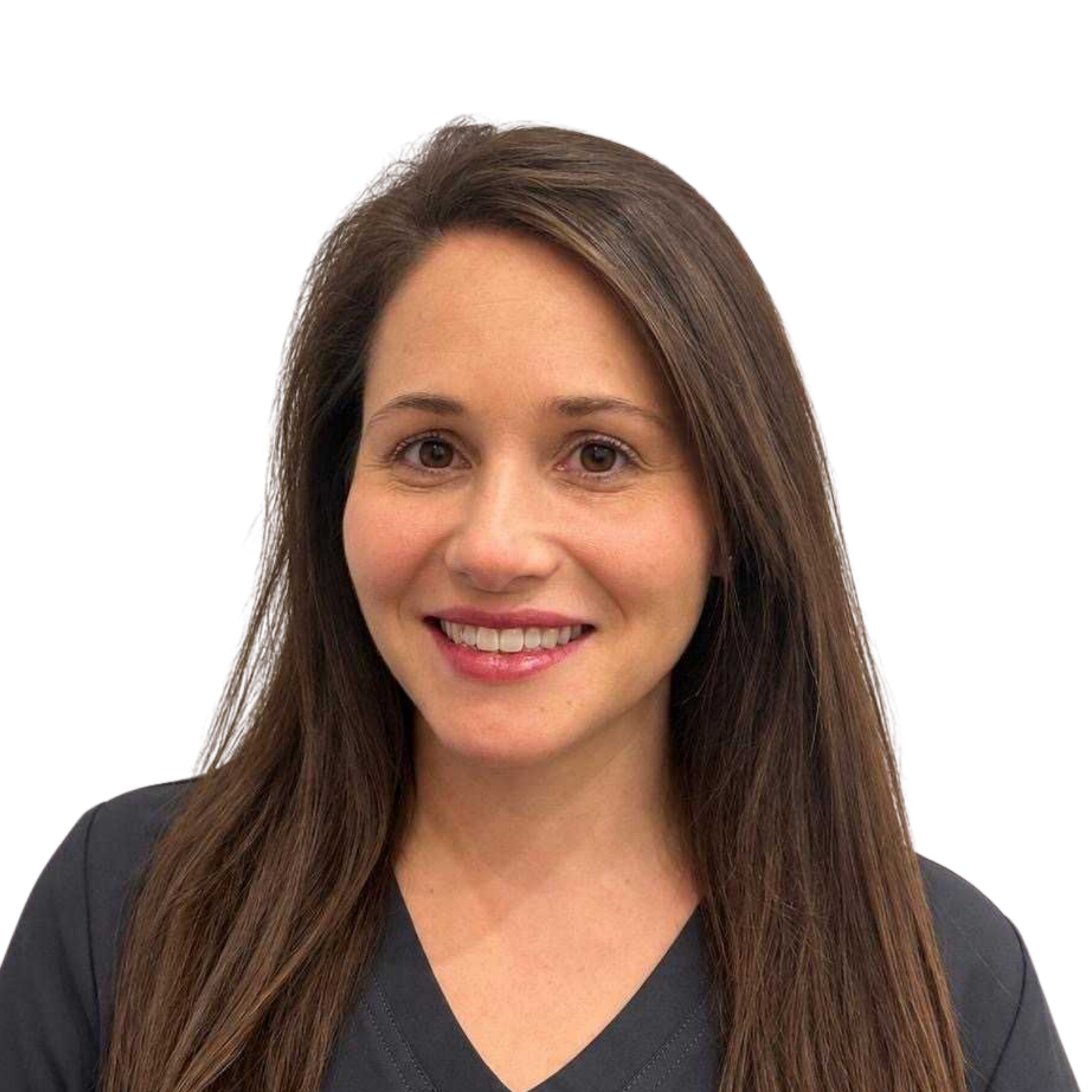
Qualifications & Professional Registration
• Foundation Degree in Hearing Aid Audiology, Anglia Ruskin University
• Qualified Hearing Aid Audiologist (2009)
• Registered with the Health and Care Professions Council (HCPC)
• Member of the British Society of Hearing Aid Audiologists (BSHAA)
Clinical Expertise
• Comprehensive hearing assessments
• Hearing aid prescribing, fitting and long-term rehabilitation
• Hearing aid technology and complex listening needs
• Wax removal via microsuction and irrigation
How She Cares
Emma’s approach is warm, straightforward and highly individual. With over 17 years’ experience in private hearing care, she combines strong clinical knowledge with an understanding of what really matters to patients in everyday life.
Emma believes good hearing care should never feel rushed or overly technical. Her priority is to listen first, explain things clearly and help patients make informed decisions that feel right for them.
What Drives Her
Emma has spent her entire career in hearing care and still values the difference that better hearing can make to someone’s relationships, confidence and independence.
She particularly enjoys solving the individual challenges that come with hearing loss — understanding where someone is struggling, finding the right solution and then continuing to refine it over time as their needs change.
Outside the Clinic
Emma enjoys spending time with her husband and three daughters and is happiest when she’s outdoors. She has a particular love of fell running and enjoys taking on a challenge, having completed events including the Calderdale Hike and the Bowels of Fleetwith fell race in the Lake District.
When she’s not running, she enjoys getting out into the countryside, family adventures and making the most of the outdoors with her children.
Questions we asked Emma:
What keeps you interested in audiology?
No two patients are ever quite the same, and I think that is what has kept the profession interesting for me for so long.
Hearing loss may look similar on an audiogram, but the effect it has on somebody’s life can be completely different. One person may be struggling in meetings at work, another may be missing conversations with their grandchildren, while somebody else may simply find restaurants or social situations exhausting.
I enjoy getting to know the person behind the hearing test and working out what we can realistically improve for them. Hearing technology has also changed enormously since I qualified, so there is always something new to learn and new ways of helping people.
You have worked in private hearing care throughout your career. How has that shaped the way you work with patients?
It has taught me that excellent hearing care needs both strong clinical standards and really good communication.
I like patients to feel involved in the process. I will always give my professional recommendation, but I also want to understand their priorities, lifestyle and expectations. The best outcomes usually come when we make those decisions together.
What do you think providing really good hearing care entails?
Successful hearing care involves choosing appropriate technology, fitting it accurately and then supporting somebody as they adapt to hearing differently again. Sometimes that means fine-tuning the hearing aids, sometimes it means changing expectations and sometimes it is simply taking the time to listen to what is and isn’t working.
Ultimately, good hearing care should leave somebody feeling listened to, informed and supported for the long term.
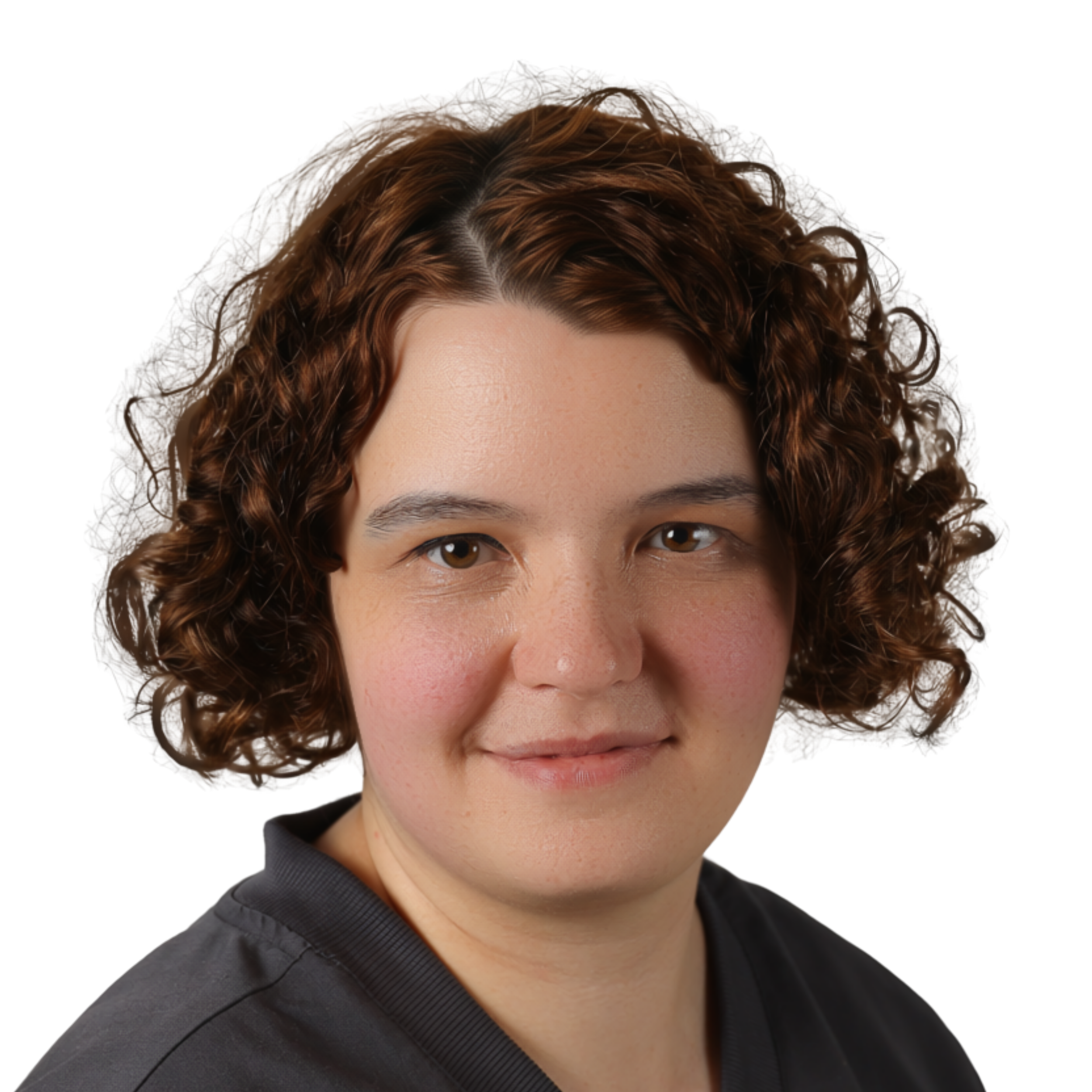
Qualifications & Professional Registration
• Hearing Care Assistant (qualified 2019)
• Clinical Ear Care Specialist (microsuction trained)
• Member of BSHAA
Clinical Expertise
• Wax removal via microsuction
• Hearing care support within HCA scope
• Supporting personalised hearing solutions alongside clinicians
How She Cares
Martha prioritises safety and comfort. She believes ear care should feel calm, unhurried, and tailored to the individual.
What Drives Her
She takes pride in achieving the best bespoke outcome for each person who walks through the door.
Outside the Clinic
Martha is a writer who first play was performed in 2025. She is also committed to ongoing professional development within hearing care.
Questions we asked Martha:
What does Safe, High-Quality Ear Care Look Like in Practice?
Consistent and ongoing training and experience is essential to the running of a safe and high-quality ear care practice, but ultimately, the quality of ear-care can be assessed from the moment clients walk through the door to book their appointment. It’s about aiming to welcome people, help them feel comfortable in our clinics first and foremost.
Attentive listening is probably the most important skill I’ve developed as a hear care assistant. Listening to symptoms, listening to hearing experiences and validating people’s experiences makes all the difference between low-quality and high-quality care.
Hearing profiles are as unique to a person as their fingerprints, and hearing experiences utterly subjective. Every client should be treated as the individual they are.
How Do You Reassure Patients Who Feel Nervous About Wax Removal?
What I always ensure is that people know with certainty is that they are in full control of the appointment in terms of the speed with which the procedure is taken, and their comfort level. People feel able to say “Stop,” if they need to, for any reason.
Sometimes we feel out of control when a procedure is being done for us by another person, and that can increase feelings of anxiety. In these instances, we proceed with care, we constantly check-in with our clients and we stop if the client needs to.
We’ve had many clients come to us with prior negative experiences and anxiety about wax removal, and with our care and patience, have become accustomed and relaxed in our clinic for the first time.
What Are The Most Common Misconceptions About Ear Care?
Wax clearance drops can clear blockages of wax. This is unfortunately still circulated. Olive oil can indeed soften wax, and it is often used in our clinics to aid extraction via microsuction or gentle irrigation.
However, the statistics are clear. Only 1 in 5 people solve a wax impaction with ear drops alone. Temporarily, ear drops can even worsen symptoms of wax impaction. Bicarbonate of soda and hydrogen peroxide-based drops melts hard wax very well. But it doesn’t ensure that the impaction is actually removed and there are few ways to tell that its blocked aside from otoscopic or endoscopic evaluation.
Using cotton buds/ Q-Tips/Hair clips or even wax removal tools you can buy online to clean out ears. Blindly poking with a small tool only pushes wax further towards the ear drum. I’ve also pulled out more than my fair share of cotton wool, and even seen a few fungal infections develop from cotton bud use. In some cases people have used a specially made wax removal tool online. Having camera-assisted viewing is beneficial to removal, but it’s still very easy to injure an ear with an untrained hand, even with a silicon tip.
The professionals you see removing wax on viral videos with “miracle” wax removal tools are often audiologists, thoroughly trained and experienced in wax removal. Otherwise, it’s easy to, again, push the wax down, or injure the ear drum or ear canal.
You only need to have your ears checked if there’s a problem: People of all ages should get their ears checked once a year, and their hearing checked every couple of years.
Age-related sensorineural hearing loss can start developing from the age of 18 onwards, so it’s essential to keep track of it due to the many effects loss of hearing can have on the rest of your body.
Ears are just as important as your eyes and teeth, which get checked once a year. We live in a very optocentric world, which is a fancy way of saying, people remember their eyes and their teeth because people can see them, but often ears are forgotten about.
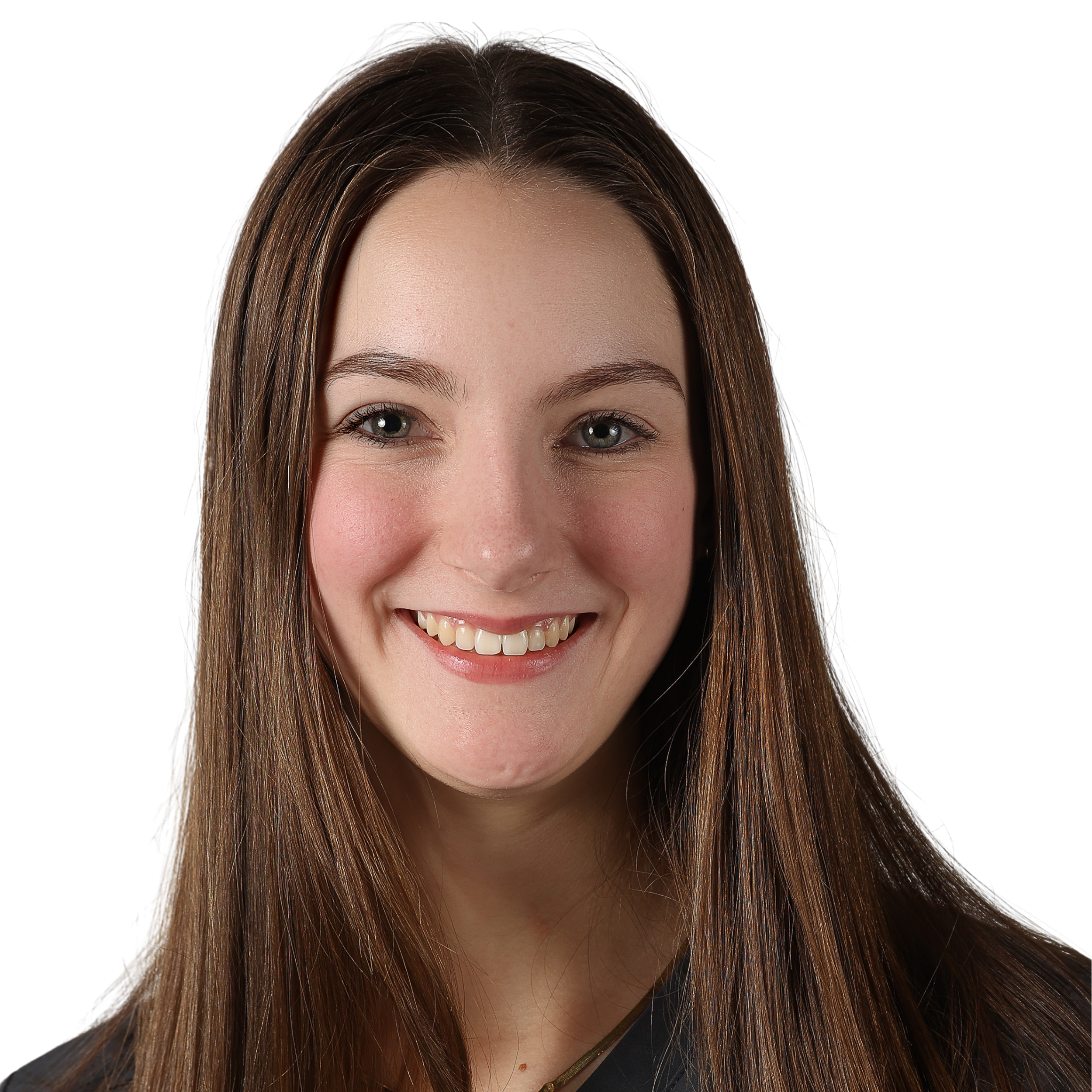
Qualifications & Professional Registration
• Hearing Care Assistant
• Clinical Ear Care Specialist
Clinical Expertise
• Wax removal via microsuction
• Hearing care support within her HCA scope of practice.
• Supporting personalised hearing solutions alongside clinicians
How She Cares
Tayla carried her warmth and caring nature from her initial role as receptionist, into her role as an HCA.
What Drives Her
Her eagerness to learn as much as she can within the role to enable her to provide the best aftercare for the patients.
Outside The Clinic
Tayla enjoys time with her friends, her dog Buddy (Yes, she is Lisa’s daughter) and driving her Audi TT.
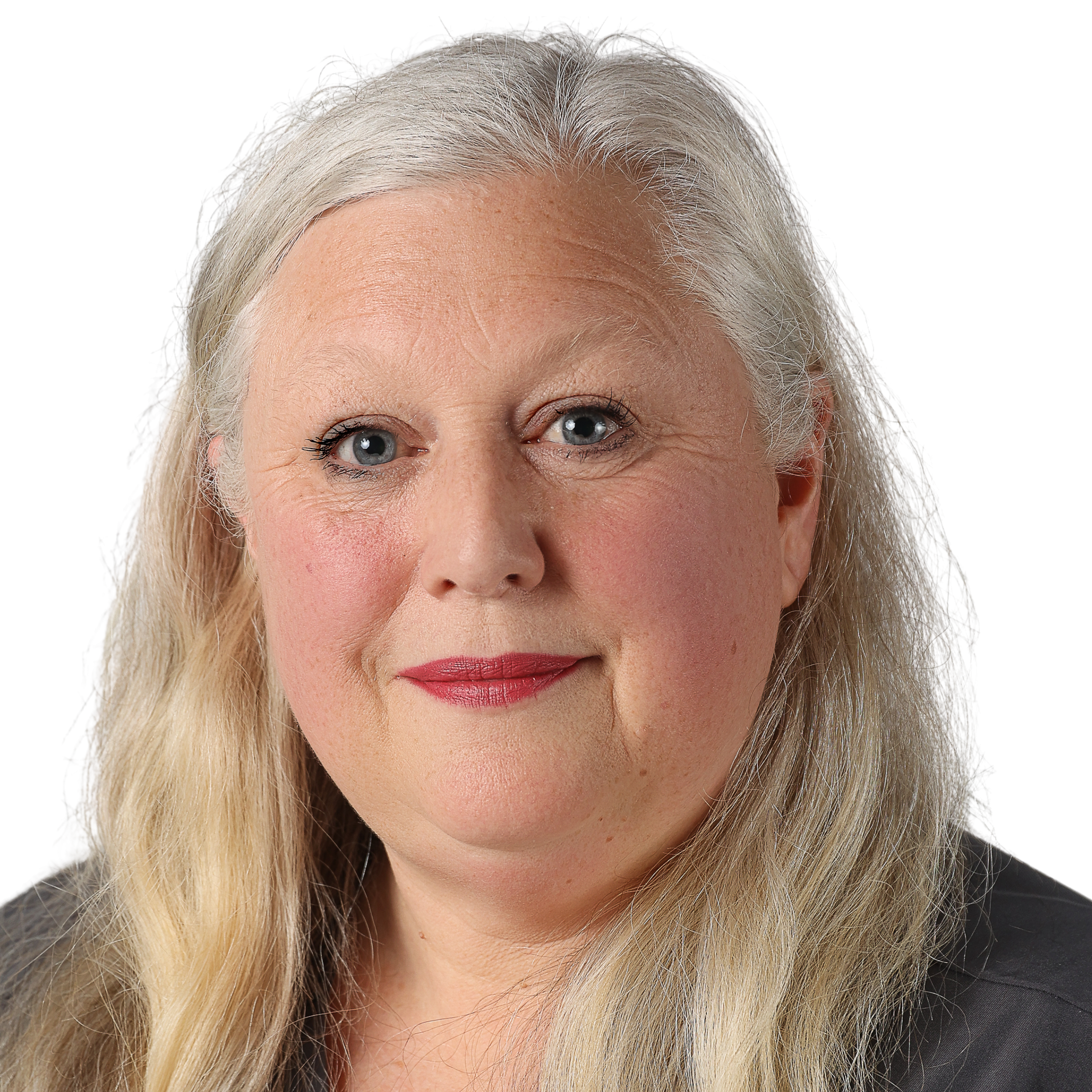
Role in Your Visit
Amanda coordinates appointments and supports the day-to-day organisation of the clinic.
How She Supports You
With a background in education and community settings, Amanda is naturally patient and attentive. She enjoys helping patients feel settled and unhurried.
What She Values Most
Seeing the difference hearing care makes and knowing she has helped make the process straightforward.
A Little More About Amanda
Recently moved to Buxton from Cambridge. Enjoys exploring the Peak District and spending time with family and grandchildren.
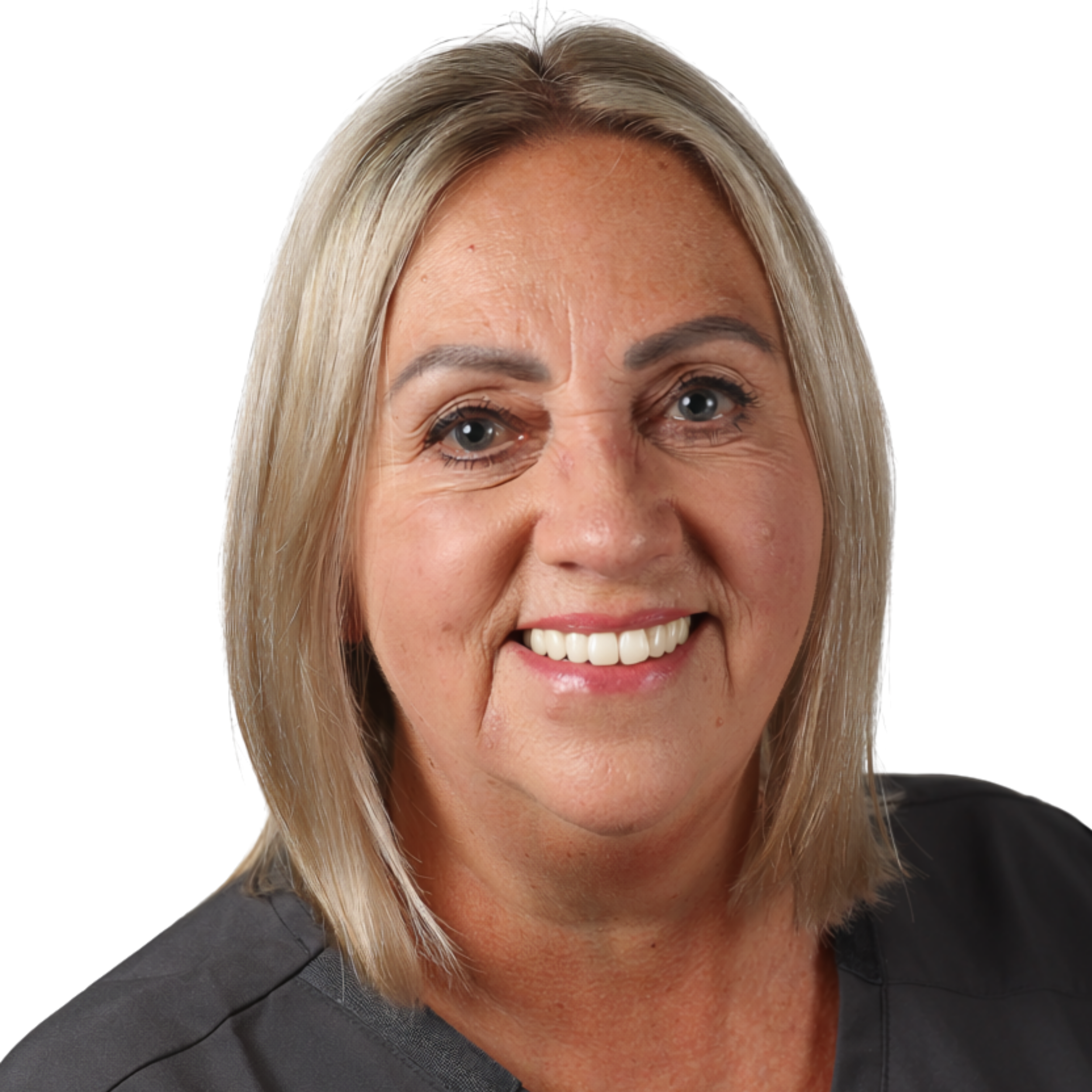
Role in Your Visit
Louise manages bookings, follow-ups, and front-of-house support at the start of the week.
How She Supports You
With years of PA and administrative experience, Louise brings organisation and professionalism while maintaining a friendly, approachable manner.
What She Values Most
Building relationships with patients and being part of a caring, supportive team.
A Little More About Louise
Louise enjoys travel (quite a bit!), live music, and sporting events.
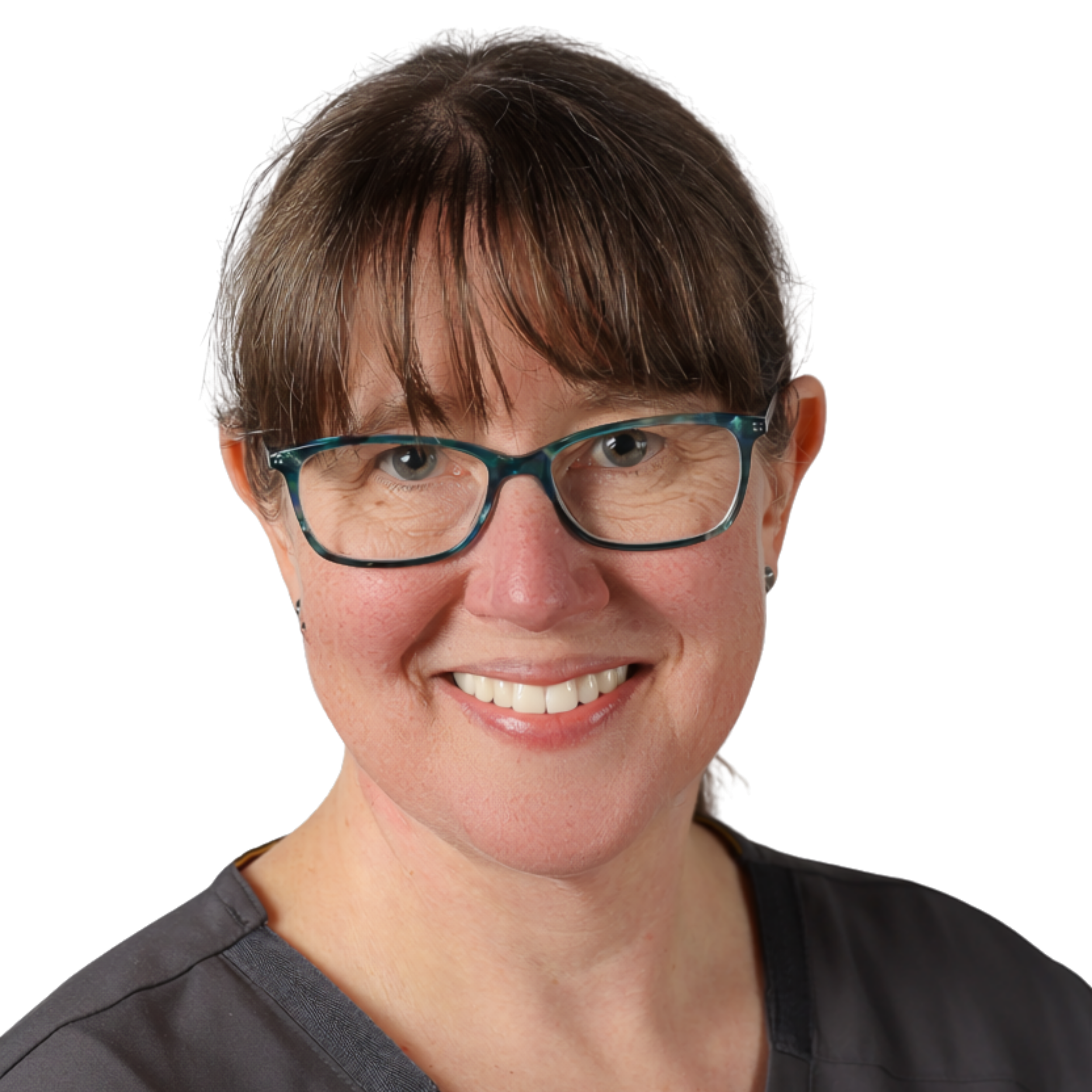
Role in Your Visit
Heather manages bookings, follow-ups, and front-of-house support all the week.
How She Supports You
Following sixteen years as a shop manager in Leek, Heather brings years of administrative experience, organisation and professionalism while maintaining a friendly, approachable manner.
What She Values Most
Building relationships with patients and being part of a caring, supportive team.
A Little More About Heather
When she is not at work, she’ll be busy playing and creating with clay or planning her next family rock climbing adventure which usually involves a trip for tea and cake.
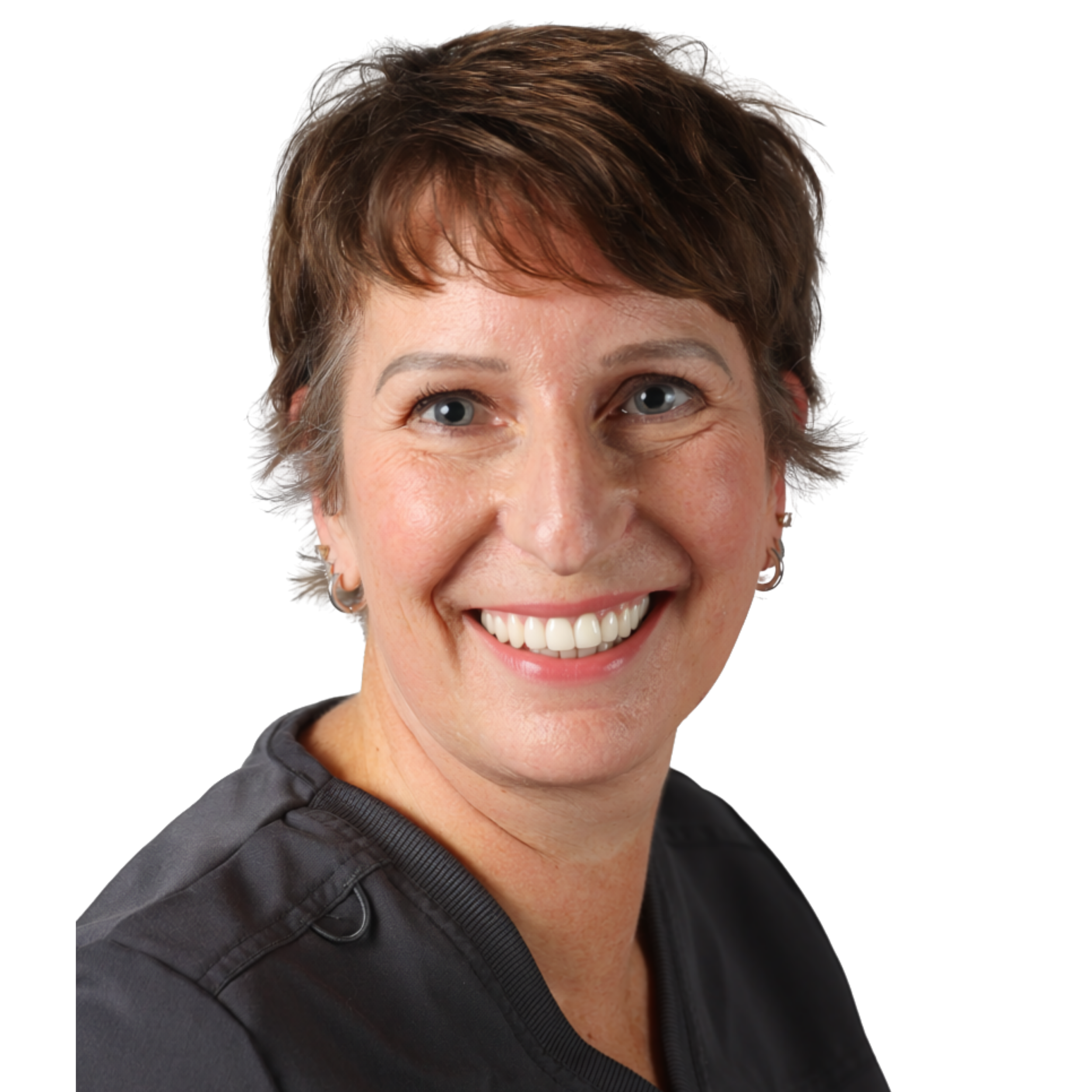
Role in Your Visit
Sarah coordinates all the appointments in Cheadle supporting the day-to-day running of the clinic and organising the clinicians.
How She Supports You
With a degree in computing and a previous working life as a Business Analyst, Sarah is naturally inquisitive about your journey with us. From that initial phone call to walking through into the reception clinic, Sarah is professional, yet interested in you as a person.
What She Values Most
Sarah enjoys building relationships with regular patients and playing a part in their well-being.
A Little More About Sarah
Sarah loves being creative and knits, paints, cross stitches and practices pyrography (burning images onto wood by hand) as well as attending live music events with her husband, sons and friends.
Sarah is also a keen traveller enjoying short breaks in the UK and Europe, as well as travelling further afield and exploring other continents.

Role in Your Visit
Anna manages bookings, follow-ups and front of house support two days a week.
How She Supports You
Having worked within the charity sector, Anna brings a youthful experience to her role and is patient and attentive.
What She Values Most
Anna enjoys building relationships with regular patients and playing a part in their well-being with a company that is patient led.
A Little More About Anna
Anna has a 12 year old dog called Jessie. She enjoys knitting and crochet whilst watching films. She also plays piano and enjoys being by the sea whenever the opportunity arises.
Anna also has a RYA Powerboat Level 2 certification (PB2 licence) – which means she can drive powerboats! And if that wasn’t enough, Anna has taken courses in Meteorology and HR and also volunteers at a charity shop.
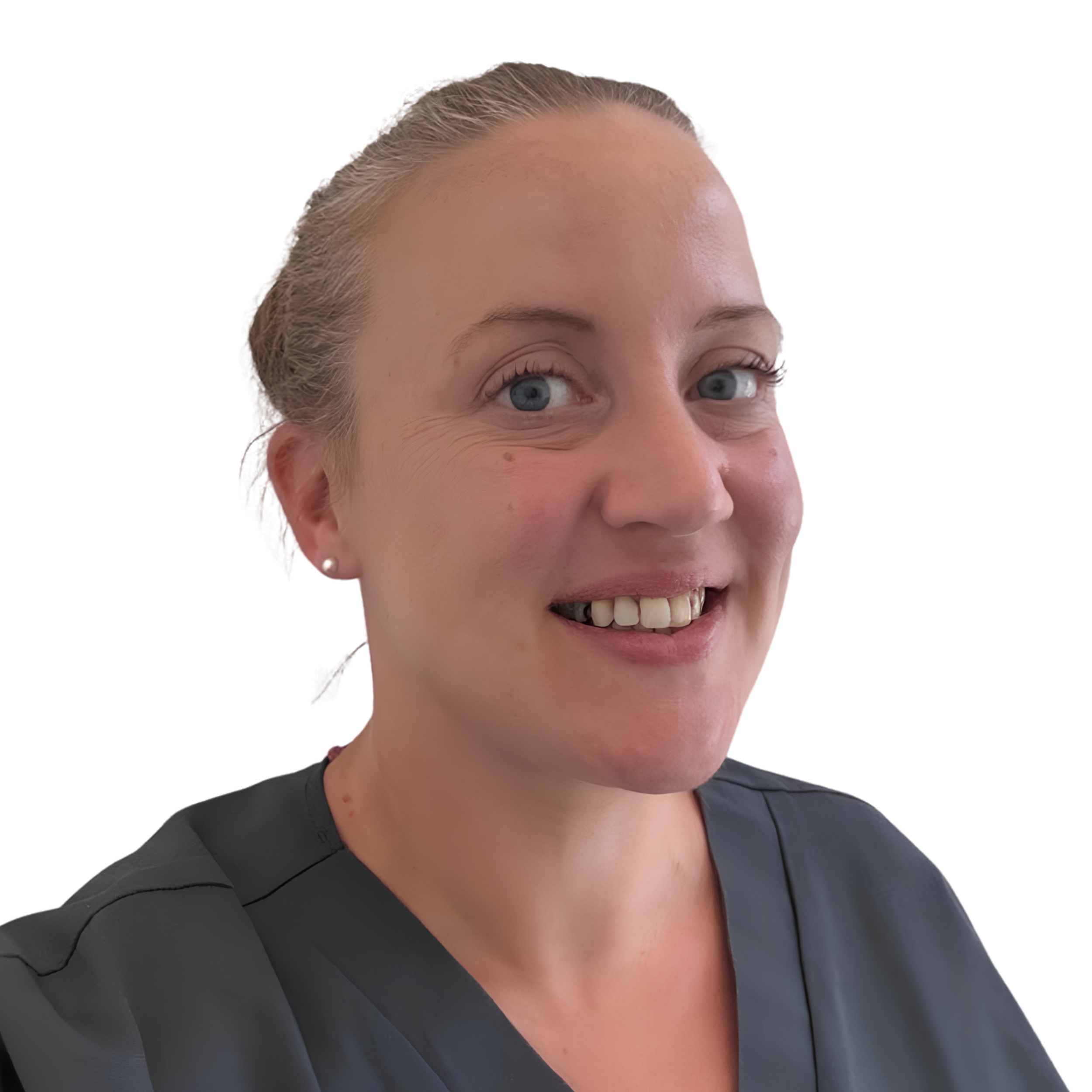
Role in Your Visit
Emma manages bookings, follow-ups and front of house support.
How She Supports You
Emma has 13 years administration and telephone experience and will be happy to help with any questions you may have and will always offer a smile.
What She Values Most
Helping patients and their families by building a relationship and being part of their journey to better hearing.
A Little More About Emma
When she is not at work, Emma will be busy looking after her two toddlers. She loves being outdoors in the fresh air whatever the weather and when Emma is not with the children, she enjoys going for a run.
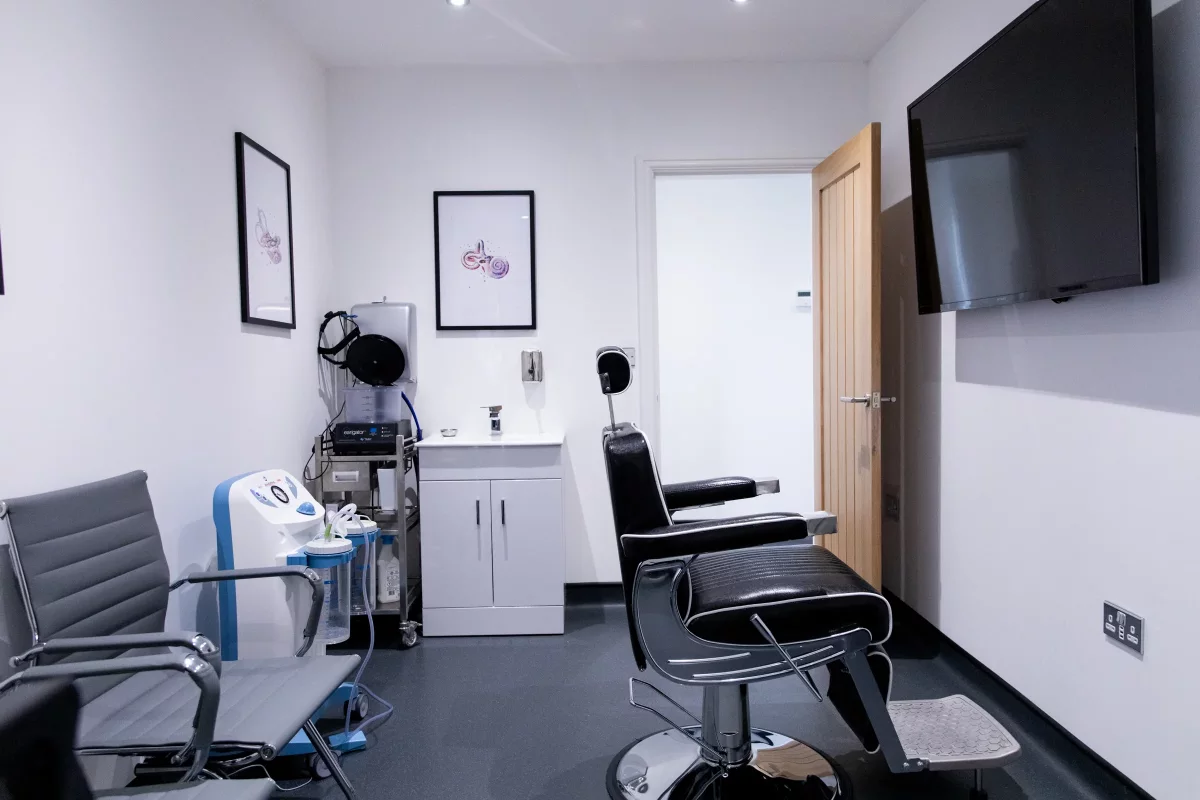
61 Wellington Rd, Bollington,
Macclesfield, SK10 5JH
Call: 01625 409792
Mon - Fri: 09:30 - 17:30
3 Grove Parade,
Buxton, SK17 6AJ
Call: 01298 463231
Mon - Fri: 09:30 - 17:00
4 Market St, Chapel-en-le-Frith,
High Peak, SK23 0HH
Call: 01298 463231
Mon & Wed: 09:30 - 17:00
7 Cheadle Shopping Centre, Cheadle,
Stoke-on-Trent, ST10 1UY
Call: 01538 262543
Mon, Wed, Fri: 09:30 - 17:00
144 London Rd, Northwich,
CW9 5HH
Call: 0333 220 5050
Tue, Wed, Thu: 09:30 - 17:00
Summerfields Village, Dean Row Rd,
Wilmslow, SK9 2TA
Call: 01625 409792
Mon - Fri: 09:30 - 17:30