Qualifications & Professional Registration
• Hearing Care Assistant (qualified 2019)
• Clinical Ear Care Specialist (microsuction trained)
• Member of BSHAA
Clinical Expertise
• Wax removal via microsuction
• Hearing care support within HCA scope
• Supporting personalised hearing solutions alongside clinicians
How She Cares
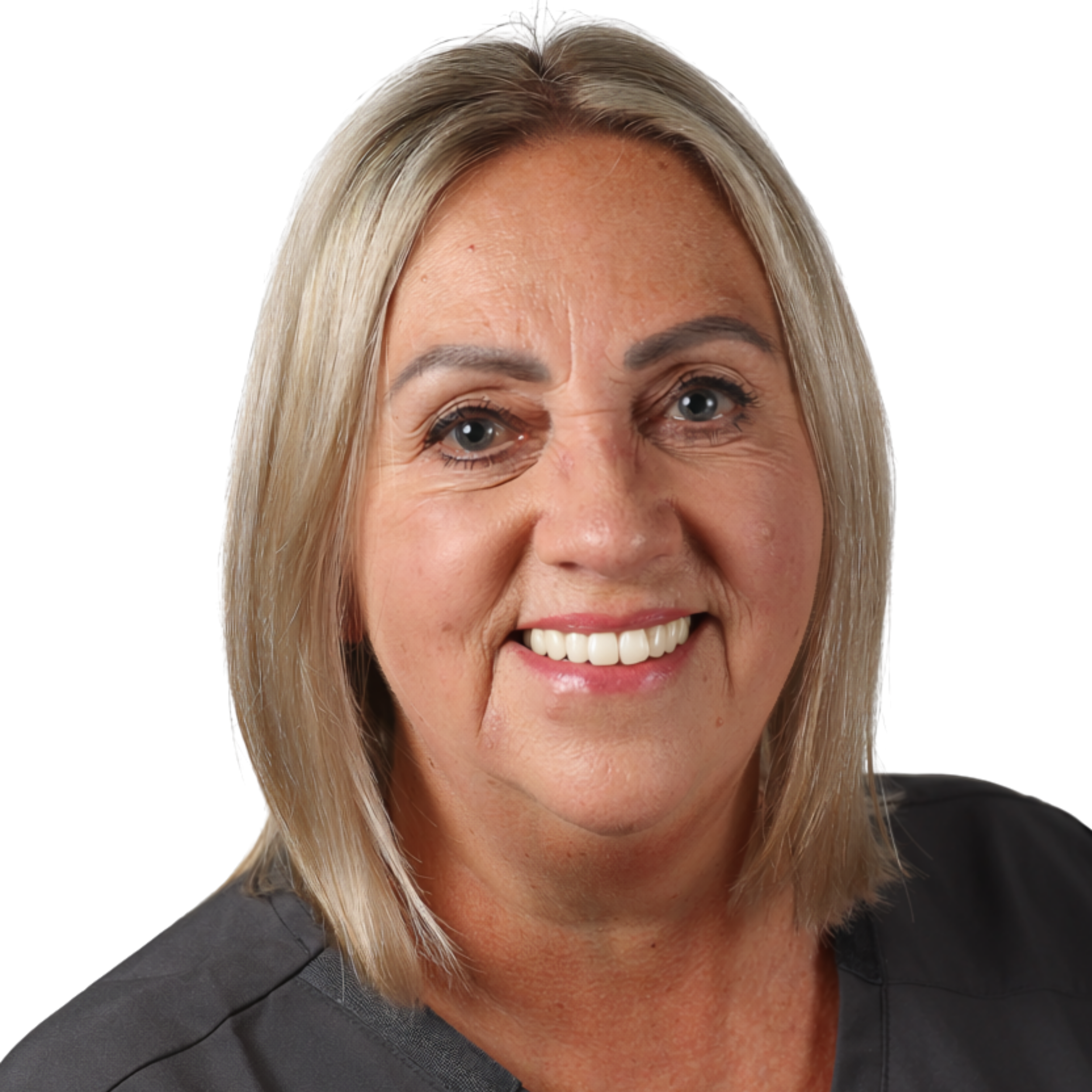
Martha prioritises safety and comfort. She believes ear care should feel calm, unhurried, and tailored to the individual.
What Drives Her
She takes pride in achieving the best bespoke outcome for each person who walks through the door.
Outside the Clinic
Martha is a writer who first play was performed in 2025. She is also committed to ongoing professional development within hearing care.
Questions we asked Martha:
What does Safe, High-Quality Ear Care Look Like in Practice?
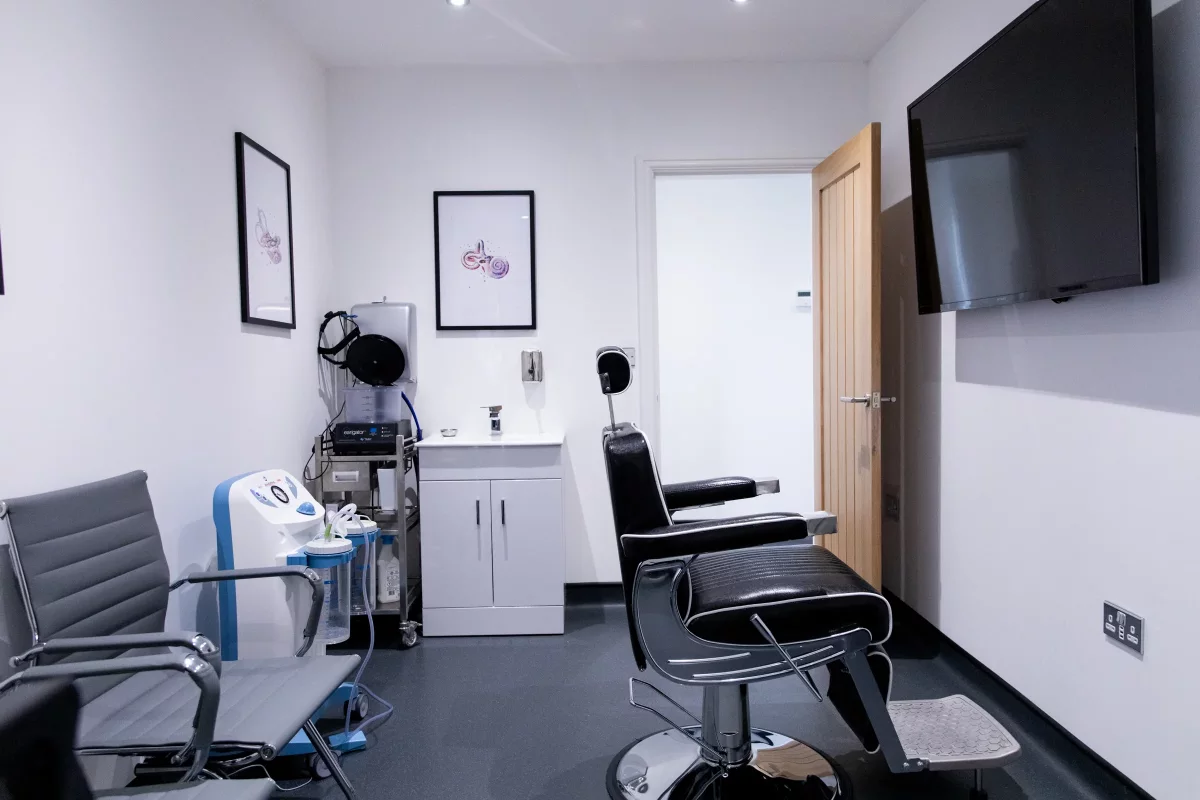
Consistent and ongoing training and experience is essential to the running of a safe and high-quality ear care practice, but ultimately, the quality of ear-care can be assessed from the moment clients walk through the door to book their appointment. It’s about aiming to welcome people, help them feel comfortable in our clinics first and foremost.
Attentive listening is probably the most important skill I’ve developed as a hear care assistant. Listening to symptoms, listening to hearing experiences and validating people’s experiences makes all the difference between low-quality and high-quality care.
Hearing profiles are as unique to a person as their fingerprints, and hearing experiences utterly subjective. Every client should be treated as the individual they are.
How Do You Reassure Patients Who Feel Nervous About Wax Removal?
What I always ensure is that people know with certainty is that they are in full control of the appointment in terms of the speed with which the procedure is taken, and their comfort level. People feel able to say “Stop,” if they need to, for any reason.
Sometimes we feel out of control when a procedure is being done for us by another person, and that can increase feelings of anxiety. In these instances, we proceed with care, we constantly check-in with our clients and we stop if the client needs to.
We’ve had many clients come to us with prior negative experiences and anxiety about wax removal, and with our care and patience, have become accustomed and relaxed in our clinic for the first time.
What Are The Most Common Misconceptions About Ear Care?
Wax clearance drops can clear blockages of wax. This is unfortunately still circulated. Olive oil can indeed soften wax, and it is often used in our clinics to aid extraction via microsuction or gentle irrigation.
However, the statistics are clear. Only 1 in 5 people solve a wax impaction with ear drops alone. Temporarily, ear drops can even worsen symptoms of wax impaction. Bicarbonate of soda and hydrogen peroxide-based drops melts hard wax very well. But it doesn’t ensure that the impaction is actually removed and there are few ways to tell that its blocked aside from otoscopic or endoscopic evaluation.
Using cotton buds/ Q-Tips/Hair clips or even wax removal tools you can buy online to clean out ears. Blindly poking with a small tool only pushes wax further towards the ear drum. I’ve also pulled out more than my fair share of cotton wool, and even seen a few fungal infections develop from cotton bud use. In some cases people have used a specially made wax removal tool online. Having camera-assisted viewing is beneficial to removal, but it’s still very easy to injure an ear with an untrained hand, even with a silicon tip.
The professionals you see removing wax on viral videos with “miracle” wax removal tools are often audiologists, thoroughly trained and experienced in wax removal. Otherwise, it’s easy to, again, push the wax down, or injure the ear drum or ear canal.
You only need to have your ears checked if there’s a problem: People of all ages should get their ears checked once a year, and their hearing checked every couple of years.
Age-related sensorineural hearing loss can start developing from the age of 18 onwards, so it’s essential to keep track of it due to the many effects loss of hearing can have on the rest of your body.
Ears are just as important as your eyes and teeth, which get checked once a year. We live in a very optocentric world, which is a fancy way of saying, people remember their eyes and their teeth because people can see them, but often ears are forgotten about.